
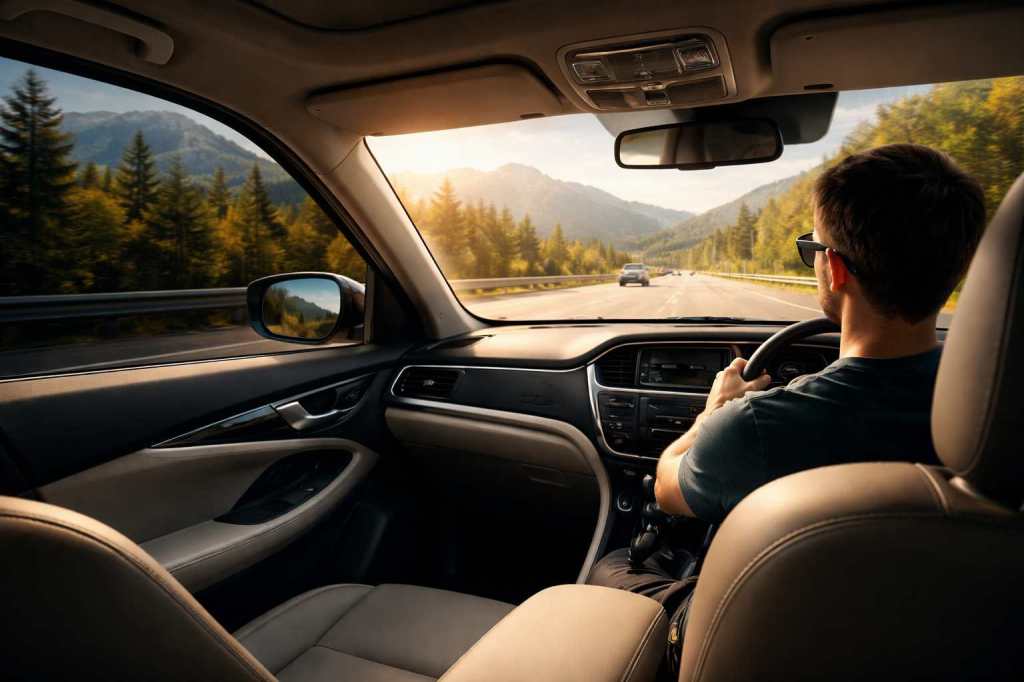
Window tint gives clear benefits for drivers who take long drives in California. The state has strong sunlight, long highways, and wide open roads. These factors increase heat, glare, and eye strain during travel. Window tint helps reduce these issues. It improves comfort, safety, and driving focus. Many drivers choose window tint to make long trips easier and more controlled.
This article explains how window tint supports drivers during long drives in California. Each section uses clear facts and simple explanations.
What Is Window Tint
Window tint is a thin film that covers the inside of car windows. This film reduces sunlight, heat, and glare. It also adds privacy and protects the car interior. Different types of window tint exist. Some films block more heat, while others focus on glare or UV protection.
Drivers can choose the level of darkness and heat control based on their needs. In California, drivers must follow state rules for visible light transmission. This means the tint cannot be too dark on certain windows.
How Window Tint Reduces Heat During Long Drives
California has many hot regions. Long drives often expose drivers to direct sunlight for many hours. In such conditions, choosing reliable window tinting services in Orange County helps drivers reduce heat and improve overall driving comfort. Window tint reduces heat by blocking solar energy.
The film reflects and absorbs sunlight before it enters the car. This process lowers the temperature inside the vehicle. A cooler cabin helps drivers stay relaxed. It also reduces the need for strong air conditioning.
Less use of air conditioning can support fuel efficiency. It also reduces stress on the car system. Drivers feel less tired when the temperature stays stable.
How Window Tint Blocks Harmful UV Rays
Sunlight carries ultraviolet (UV) rays. These rays can damage skin and eyes. Long drives increase exposure time. Window tint blocks a high percentage of UV rays.
This protection reduces the risk of skin damage. It also protects passengers during long trips. Children and frequent travelers benefit from this feature.
UV rays can also damage the car interior. Seats, dashboards, and panels can fade or crack over time. Window tint helps preserve these surfaces.
How Window Tint Reduces Glare for Safer Driving
Glare is a common problem during long drives in California. Bright sunlight and reflections from roads can affect vision. Glare can reduce reaction time and increase risk.
Window tint reduces glare by limiting the amount of light that enters the car. Drivers can see the road more clearly. This helps maintain focus and control.
Reduced glare is useful during sunrise and sunset. These times often cause strong light angles. Window tint supports better visibility in these conditions.
How Window Tint Improves Driving Comfort
Comfort plays a key role during long drives. High heat, bright light, and constant exposure can cause fatigue. Window tint creates a more balanced environment inside the car.
The cabin feels cooler and less bright. Drivers do not need to squint or adjust their posture often. This reduces physical strain.
A stable environment supports longer driving periods without discomfort. Drivers can maintain better posture and focus.
How Window Tint Supports Eye Health
Eyes face constant stress during long drives. Bright sunlight and glare force the eyes to work harder. This can lead to dryness, irritation, and fatigue.
Window tint reduces the intensity of incoming light. Eyes stay relaxed for longer periods. This helps prevent strain and discomfort.
Clear vision supports safe driving. Drivers can track road signs, vehicles, and changes more easily.
How Window Tint Adds Privacy and Security
Long drives often include stops at rest areas, gas stations, and parking spaces. Window tint adds a level of privacy inside the vehicle.
People outside cannot easily see inside the car. This reduces the chance of theft. Personal items stay less visible.
Privacy also makes passengers feel more comfortable. Families and solo travelers benefit from this added layer of security.
How Window Tint Protects Car Interiors
Long drives expose the car interior to strong sunlight. Over time, this exposure can damage materials. Seats can fade. Dashboards can crack. Plastic parts can weaken.
Window tint blocks a large portion of heat and UV rays. This slows down damage. The interior stays in better condition for a longer time.
This protection helps maintain the value of the vehicle. It also reduces repair and replacement costs.
Types of Window Tint for Long Drives in California
Dyed Window Tint
Dyed window tint uses a layer of dye to block sunlight. It reduces glare and adds privacy. This type is more affordable but offers less heat reduction.
Metalized Window Tint
Metalized tint contains small metal particles. These particles reflect sunlight and reduce heat. This type is more durable but can affect signal reception.
Carbon Window Tint
Carbon tint blocks heat without using metal. It provides strong heat reduction and does not interfere with signals. It also has a matte finish.
Ceramic Window Tint
Ceramic tint uses advanced materials. It blocks heat, UV rays, and glare at a high level. It does not affect visibility or signals. This type is more expensive but offers strong performance for long drives in California.
Legal Rules for Window Tint in California
California has specific rules for window tint use. Drivers must follow these laws to avoid fines.
The front side windows must allow more light to pass through. The windshield can only have a strip of tint at the top. Rear windows have more flexibility.
Drivers should check local rules before installing window tint. Professional installers usually follow legal standards.
Installation and Maintenance Tips
Proper installation ensures better performance. A trained installer applies the film without bubbles or gaps. This improves durability and appearance.
Drivers should avoid cleaning the windows for a few days after installation. This allows the film to settle.
Use a soft cloth and mild cleaner to maintain the tint. Avoid sharp tools or strong chemicals. These can damage the film.
Regular care keeps the tint clear and effective.
Cost vs Value of Window Tint
Window tint has an initial cost. The price depends on the type of film and the size of the vehicle. Ceramic tint costs more than basic options.
The value comes from long-term benefits. Drivers save on fuel, reduce interior damage, and improve comfort. These benefits support the cost over time.
Many drivers see window tint as a useful upgrade for long drives in California.
Conclusion
Window tint offers clear benefits for long drives in California. It reduces heat, blocks UV rays, and lowers glare. It also improves comfort, safety, and privacy.
Drivers face strong sunlight and long travel hours in California. Window tint helps manage these conditions. It creates a better driving experience.
Choosing the right type of window tint and following legal rules ensures the best results. Proper installation and care increase its lifespan.
For drivers who take frequent long trips, window tint is a practical and useful solution.
 Knowledge Base
Leave a comment