
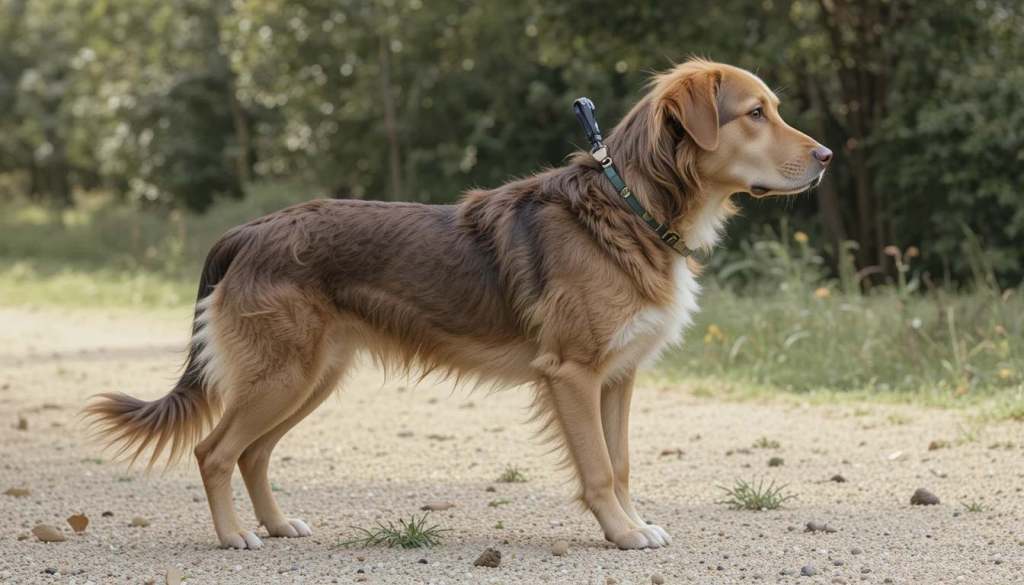
The dog’s growth directly affects its training needs. Small dogs and large dogs grow at different rates. Dog trainers need to understand the growth stages of each dog to apply the right training method.
Puppies grow quickly during their early months. Dog owners must monitor their dog’s growth carefully. This growth includes dog height and overall body size. Measuring dog size regularly helps in adjusting training routines.
Dog size measurement is important because it helps in choosing the right equipment. For example, the size of the collar and leash should match the dog’s size. If the dog’s growth is not tracked, training tools may not fit correctly.
Dog Size and Training Needs
Dog size directly affects the type of training a dog needs. Small dogs have different training needs compared to large dogs. A small dog may need training that focuses on social skills. A large dog may need training that focuses on control and obedience.
Dog trainers need to adjust their methods based on dog size. A large dog can pull harder on the leash. A small dog can slip out of poorly fitted equipment. This is why dog size measurement is a key part of successful training.
Dog Height and Training Techniques
Dog height plays an important role in training. A taller dog may have a higher jump, while a shorter dog may need help climbing steps. Dog trainers must consider the dog’s height when creating training exercises.
For example, agility training for a tall dog may include higher obstacles. For a short dog, the trainer may choose lower obstacles. Dog height also affects leash handling. A tall dog requires the trainer to keep a steady and firm grip to guide the dog safely.
Choosing the Right Dog Trainer for Different Sizes
Dog owners should choose a dog trainer who understands how size affects training. Some dog trainers specialise in working with small dogs. Others may have more experience with large dogs.
A good dog trainer will measure the dog’s growth regularly. The trainer will also select the correct training tools based on the dog’s size. Dog size measurement should be part of the training plan from the beginning.
A dog trainer must know how to manage a dog’s physical strength. Larger dogs can be stronger and may need firmer commands. Smaller dogs may require more gentle handling to avoid stress.
Dog Size Measurement Methods
Dog size measurement is simple but essential for responsible pet care. Measuring a dog’s height, from the ground to the top of the shoulders, helps dog trainers plan suitable exercises and physical activities. This ensures the dog gets the right amount of movement without the risk of strain or injury. Accurate size measurement also supports healthy growth and helps identify any unusual changes in development early.
Dog owners should also measure the dog’s chest and neck, especially when selecting collars, harnesses, or leashes. Equipment that fits properly enhances comfort and training effectiveness, while poorly fitted gear can cause discomfort or injury. To make this process easier, pet owners can use tools like the dog size calculator Four Dog Paws, which provides accurate size estimates based on breed and current measurements. Tracking a dog’s growth regularly, especially in the first year—is vital. With rapid changes during puppyhood, consistent measurements ensure that training methods, feeding, and gear continue to match the dog’s evolving size.
How Dog Size Affects Exercise Needs
Dog size also affects the amount of exercise required. Large dogs often need more space and longer walks. Small dogs may need shorter but more frequent walks.
A dog trainer will plan exercise sessions based on the dog’s size. For example, a large dog may enjoy running, while a small dog may prefer indoor games.
Dog owners must watch their dog’s growth and energy levels. A growing dog may suddenly need more exercise as it gets bigger. Dog trainers must adjust training and exercise plans regularly to match the dog’s growth.
Behaviour Differences by Dog Size
Dog size can also influence behaviour. Small dogs may bark more often to protect themselves. Large dogs may show more dominance due to their strength and size.
Dog trainers must understand these differences. Small dogs may need social training to reduce fear. Large dogs may need training that focuses on listening and following commands.
Dog trainers will use different methods for different dog sizes. A small dog may respond well to treats and praise. A large dog may respond better to firm voice commands and clear signals.
Dog Training Safety Based on Size
Safety in dog training depends on the dog’s size. Large dogs can unintentionally harm themselves or others if training is not controlled. Small dogs can easily get injured if the training area is not safe.
Dog trainers must select safe training environments based on dog size. For large dogs, trainers need open spaces and strong equipment. For small dogs, trainers need soft surfaces and properly sized tools.
Dog owners should also be careful with the dog’s growth changes. As the dog grows, the training equipment may need to be replaced. Keeping equipment that matches the dog’s current size helps prevent accidents.
Importance of Early Dog Size Measurement
Early dog size measurement helps in planning the right training path. Measuring dog size during the puppy stage prepares the dog for future training stages.
Dog owners who track dog growth from an early age can prevent common training problems. Proper measurement helps in selecting the right harness, leash, and training activities. It also helps in choosing a dog trainer with the right experience.
Starting training with the correct dog size measurement helps the dog feel comfortable. When equipment fits well, the dog moves freely and focuses better on training.
Adapting Training as the Dog Grows
Dog trainers must change training plans as the dog’s size increases. A dog’s growth can affect its strength, speed, and balance. What works for a small puppy may not work for a full-grown dog.
Dog size measurement helps trainers decide when to change training tools. For example, a leash that fits a puppy may be too tight for an adult dog. A small hurdle may not challenge a larger dog.
Training must grow with the dog. Regular dog size measurement ensures that the training continues to meet the dog’s needs. Dog trainers should always consider dog height, weight, and strength as they update training routines.
Summary
Dog size strongly affects dog training. Dog owners and dog trainers must understand how the dog’s growth changes training needs. Measuring dog size regularly is important for safety, comfort, and success in training.
Different dog sizes require different training approaches. Small dogs may need gentle handling and social exercises. Large dogs may need firm control and physical challenges. Dog height, weight, and strength should always guide the training plan.
Choosing the right dog trainer and using correct equipment based on the dog’s size helps dogs learn better and stay safe. Regular dog size measurement supports healthy growth and effective training at every stage.
 Knowledge Base
Leave a comment