
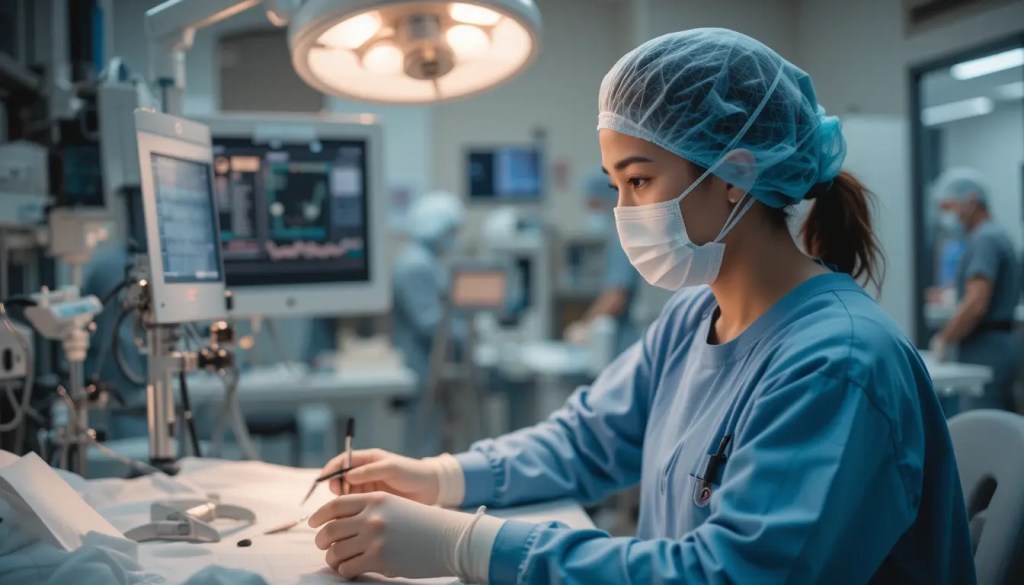
Medical devices play a critical role in patient care. They help diagnose, monitor, and treat medical conditions. Hospitals, clinics, and home healthcare providers rely on these devices for effective treatment.
Ensuring the safety of medical devices is essential. Faulty or poorly designed devices can lead to patient harm. As technology advances, the complexity of medical devices increases, making safety concerns more significant.
Increasing Use of Medical Devices
Growth in Medical Technology
New medical devices enter the market every year. Innovations improve diagnosis and treatment options. Devices such as pacemakers, infusion pumps, and ventilators support critical care.
As more devices become available, the risk of malfunctions and safety issues also rises. Manufacturers, healthcare providers, and regulatory bodies must ensure these devices meet safety standards before use.
Dependence on Devices in Healthcare
Many medical procedures rely on advanced technology. Surgeons use robotic-assisted systems for precision. Patients with chronic illnesses depend on wearable monitors and implanted devices.
If these devices fail, patient health can be at risk. Malfunctions may lead to incorrect diagnoses, improper treatments, or life-threatening emergencies. Proper testing and maintenance help prevent such risks.
Risks Associated with Medical Devices
Device Malfunctions
A malfunctioning medical device can cause serious health complications, putting patient lives at risk. Issues may stem from design flaws, software glitches, or manufacturing defects, all of which can compromise the device’s reliability. Even seemingly minor errors in medical equipment can result in significant consequences, such as incorrect readings or improper dosage delivery, directly impacting patient safety and treatment outcomes.
To ensure the highest standards of safety and performance, manufacturers are required to obtain a Medical Device Safety Certificate before their products enter the market. This certification confirms that the device has undergone rigorous testing and complies with established safety regulations. For instance, a faulty insulin pump may deliver incorrect insulin levels, leading to dangerous blood sugar spikes or drops, while a defective ventilator might fail to provide adequate respiratory support. Regular inspections, combined with certified safety protocols, play a crucial role in preventing such failures and maintaining patient trust in medical technologies.
Cybersecurity Threats
Modern medical devices often connect to the internet. They store and transmit patient data. Cyberattacks on these devices can compromise patient information and disrupt treatments.
Hackers may alter device functions, leading to incorrect medication dosages or disrupted monitoring. Protecting medical devices from cyber threats requires strong security measures, including regular software updates and encryption.
Regulatory Standards for Medical Device Safety
Role of Regulatory Bodies
Government agencies set safety standards for medical devices. In the United States, the Food and Drug Administration (FDA) regulates medical devices. In Europe, the European Medicines Agency (EMA) ensures compliance with safety guidelines.
Regulatory bodies require manufacturers to conduct clinical trials and rigorous testing before approving a device. These measures help reduce the risk of unsafe products reaching patients.
Compliance with Safety Regulations
Manufacturers must follow strict safety guidelines. They need to test devices under different conditions and document any risks. Healthcare providers must also ensure proper training for staff using these devices.
Failure to meet safety regulations can result in product recalls and legal consequences. Continuous monitoring and compliance help maintain high safety standards in the industry.
Challenges in Ensuring Medical Device Safety
Rapid Technological Advancements
Technology evolves quickly, making it difficult to ensure all new medical devices are safe. Manufacturers must balance innovation with safety testing. Some devices may enter the market before all risks are fully understood.
Artificial intelligence and machine learning play a growing role in medical devices. These technologies require careful monitoring to ensure accurate results. Errors in software algorithms can lead to incorrect diagnoses and treatments.
Maintenance and Training
Medical devices require regular maintenance to function correctly. Hospitals and clinics must follow strict protocols for device servicing. Failure to maintain equipment can lead to malfunctions and patient harm.
Healthcare professionals also need proper training to use medical devices safely. Incorrect usage can result in misdiagnoses, treatment errors, or device damage. Regular training sessions help reduce these risks.
The Role of Healthcare Providers in Device Safety
Ensuring Proper Use
Doctors, nurses, and technicians must follow guidelines for using medical devices. Incorrect handling can cause malfunctions. Healthcare providers should read manufacturer instructions and follow best practices for operation.
Regular inspections help identify potential problems before they lead to patient harm. Reporting device issues to manufacturers and regulatory bodies allows for timely corrective actions.
Reporting Safety Concerns
Healthcare professionals play a key role in identifying faulty devices. If a device causes unexpected issues, they must report it immediately. Government agencies and manufacturers track these reports to improve device safety.
Patients should also be aware of the risks associated with their medical devices. Those using implanted or wearable devices should follow manufacturer guidelines and report any unusual performance issues.
Future of Medical Device Safety
Advancements in Testing and Monitoring
New testing methods help improve device safety before they reach patients. Automated systems can detect flaws more efficiently than traditional testing. Improved quality control helps reduce the chances of defective devices entering the market.
Real-time monitoring of medical devices is becoming more common. Connected devices can send performance data to healthcare providers. If a device starts malfunctioning, alerts can notify medical teams to take action.
Stricter Regulations and Oversight
As medical devices become more advanced, governments continue to strengthen regulations. Stricter approval processes help reduce risks. More frequent safety inspections ensure devices meet required standards.
Healthcare facilities also implement stronger safety protocols. Hospitals invest in better training, cybersecurity measures, and maintenance programs. These efforts help ensure medical devices remain safe and effective for patient care.
Conclusion
Medical device safety is a growing concern in healthcare. The increasing use of technology in patient care brings benefits, but also new risks. Device malfunctions, cybersecurity threats, and improper usage can harm patients.
Regulatory bodies, manufacturers, and healthcare providers must work together to improve safety standards. Regular maintenance, strict compliance with safety guidelines, and proper training reduce risks. As technology advances, continued efforts in testing and monitoring will help ensure safer medical devices for all patients.
 Knowledge Base
Leave a comment