
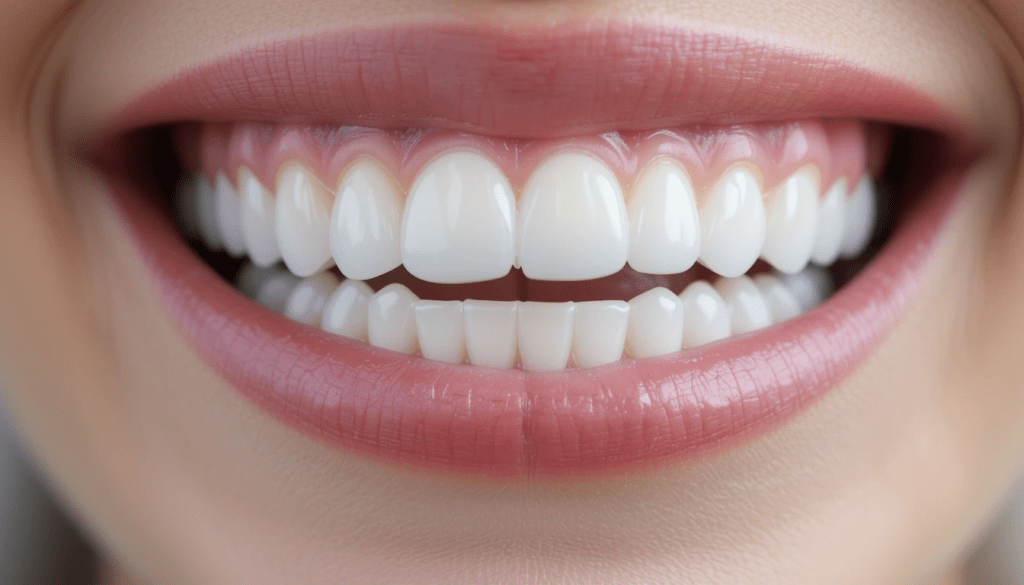
Full mouth dental implants restore missing teeth and improve oral health. They provide a long-term solution for people with severe tooth loss. Planning the treatment carefully helps ensure successful results.
People in New Jersey have many options for dental implant treatment. Understanding the process, costs, and recovery helps patients make informed decisions. This guide explains how to plan full mouth dental implant treatment step by step.
Understanding Full Mouth Dental Implants
What Are Full Mouth Dental Implants?
Full mouth dental implants replace all teeth in the upper or lower jaw. Dentists place multiple implants in the jawbone to support a fixed denture or bridge. This option provides better stability than traditional dentures.
The implants act as artificial tooth roots, preventing bone loss and improving chewing ability. Unlike removable dentures, they stay in place and function like natural teeth.
Who Needs Full Mouth Dental Implants?
People with severe tooth loss or advanced gum disease may need full mouth dental implants. Candidates should have healthy gums and enough bone to support the implants. If bone loss has occurred, bone grafting may be necessary.
Individuals who struggle with loose dentures or difficulty chewing benefit from this treatment. Full mouth implants restore confidence and improve overall quality of life.
Choosing a Dental Implant Specialist in New Jersey
Factors to Consider
Selecting a skilled specialist ensures successful treatment. Patients should look for a dentist with experience in full mouth dental implants. Checking credentials, reviews, and before-and-after photos helps evaluate a dentist’s expertise.
A good dental clinic should offer a consultation to assess the patient’s oral health. The specialist should explain the procedure, costs, and expected outcomes.
Finding a Reputable Clinic
New Jersey has many dental implant clinics, making it essential for patients to research their options carefully. Checking online reviews, asking for recommendations, and evaluating a clinic’s credentials can help identify a reliable provider. Clinics equipped with modern technology and experienced staff offer more precise procedures, better treatment outcomes, and a comfortable experience for patients undergoing dental implants or oral surgery. Choosing a trusted clinic ensures that patients receive high-quality care tailored to their needs.
For those seeking expert oral surgery services, Paramus Park Oral Surgery in NJ provides advanced dental care with a focus on patient comfort and successful treatment outcomes. Scheduling a consultation allows patients to discuss their concerns, ask questions about procedures, and assess the clinic’s environment. A professional and well-equipped clinic fosters confidence in patients, ensuring they receive safe and effective oral surgery or dental implant treatments. Taking the time to select the right provider leads to better long-term oral health and overall satisfaction.
Steps in Planning Full Mouth Dental Implant Treatment
Initial Consultation and Evaluation
The process begins with a dental consultation. The dentist examines the mouth, takes X-rays, and discusses treatment goals. A CT scan may be needed to assess bone structure.
Patients should share their medical history and any medications they take. The dentist evaluates gum health and bone density to determine if implants are suitable.
Treatment Planning and Cost Estimation
After evaluation, the dentist creates a personalized treatment plan. This includes the number of implants needed and the type of restoration. Patients receive a cost estimate, which may vary based on materials and procedures.
Many clinics offer financing options to help manage costs. Checking with insurance providers helps determine if any coverage is available.
Preparing for the Procedure
Pre-Surgery Preparations
Before surgery, patients may need dental cleanings or extractions. If bone grafting is required, it must heal before implant placement. Following the dentist’s instructions ensures better results.
Lifestyle adjustments, such as quitting smoking and maintaining good oral hygiene, help improve healing. Eating a healthy diet supports the body’s ability to recover after surgery.
Understanding the Surgical Procedure
The surgery involves placing titanium implants into the jawbone. The dentist uses local anesthesia or sedation to ensure comfort. The procedure may take several hours, depending on the number of implants.
After placement, the implants need time to fuse with the bone. This process, called osseointegration, takes several months. Temporary teeth may be provided during the healing phase.
Recovery and Aftercare
Post-Surgery Care
Swelling, minor bleeding, and discomfort are common after surgery. The dentist provides pain management instructions and medications if needed. Applying ice packs and eating soft foods help reduce discomfort.
Proper oral hygiene prevents infection. Brushing gently and using a prescribed mouth rinse keep the area clean. Follow-up visits allow the dentist to monitor healing progress.
Adjusting to Full Mouth Implants
Once healing is complete, the final prosthetic teeth are attached. Adjusting to implants takes time, but most patients experience improved chewing and speech.
Regular dental checkups help maintain implant health. Daily brushing and flossing prevent gum disease and keep the implants in good condition.
Conclusion
Planning full mouth dental implant treatment involves careful research and preparation. Choosing an experienced specialist, understanding the procedure, and following aftercare instructions ensure the best results.
People in New Jersey can find many qualified dental implant providers. Taking the time to plan and consult with a professional helps achieve a healthy and confident smile.
 Knowledge Base
Leave a comment