
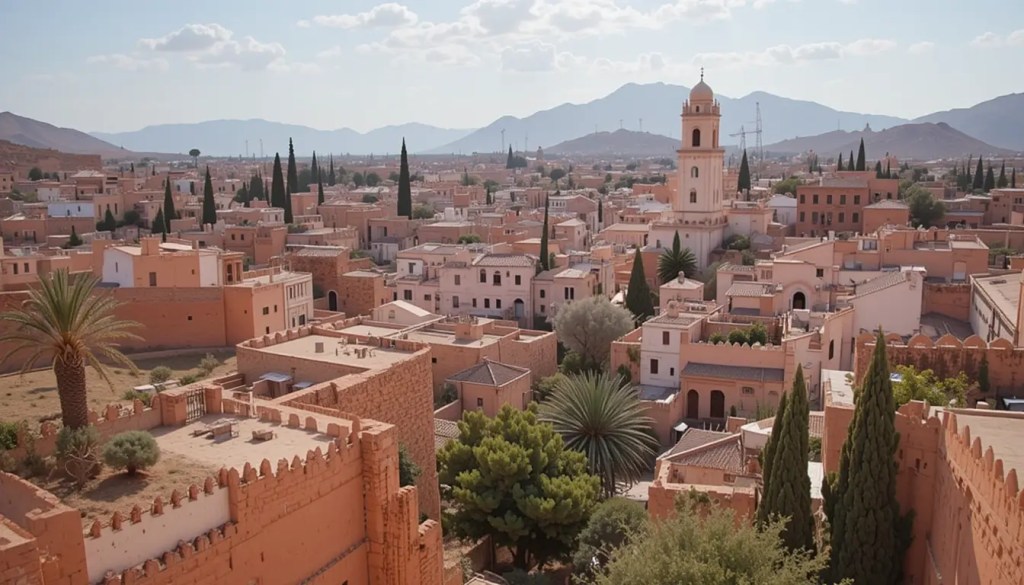
Morocco offers a rich culture, diverse landscapes, and deep traditions. Many visitors explore cities, markets, and historic sites, but the best way to understand Morocco is through its people. Locals share knowledge, stories, and traditions that reveal the country’s true character.
Travelers can connect with locals in several ways. They can visit family-owned restaurants, join traditional cooking classes, or explore villages outside the main tourist areas. These experiences provide insight into daily life and create meaningful interactions.
1. Stay in a Local Riad or Guesthouse
Traditional Moroccan Hospitality
Riads are traditional Moroccan homes with central courtyards, often adorned with intricate tilework and lush gardens. Many have been converted into charming guesthouses, offering travelers a unique opportunity to immerse themselves in Morocco’s rich culture. Staying in a riad allows visitors to experience authentic local architecture, savor traditional Moroccan cuisine, and enjoy warm hospitality. Owners take pride in sharing the history of their homes and often provide valuable travel insights, helping guests explore hidden gems beyond the usual tourist spots.
For those seeking a deeper connection with Morocco’s diverse landscapes and rural traditions, guesthouses in remote areas offer a different kind of experience. Families open their doors to travelers, serving home-cooked meals made from locally sourced ingredients and introducing them to regional customs. These stays not only provide a personal touch but also support small businesses and responsible tourism. For adventurers looking to explore the breathtaking deserts and mountains, Adrar EcoTours offers guided experiences that highlight the beauty of Morocco’s natural landscapes while promoting sustainable travel. Whether trekking through the Sahara or discovering ancient Berber villages, these tours provide an enriching way to connect with the country’s heritage and environment.
Benefits of Staying with Locals
- Learn about daily life in Morocco
- Enjoy homemade Moroccan meals
- Support small, family-run businesses
- Receive local tips on places to visit
Choosing a local stay instead of a hotel creates a deeper connection with the culture. Visitors gain firsthand knowledge of traditions and local customs.
2. Explore Traditional Markets with Local Vendors
Understanding Moroccan Souks
Markets, or souks, are central to Moroccan life. They sell fresh produce, handmade crafts, and traditional clothing. Walking through a souk with a local guide helps visitors understand the significance of different goods. Vendors often explain how items are made and their cultural importance.
Many markets have sections for spices, textiles, pottery, and jewelry. Locals teach visitors how to negotiate prices and recognize authentic products. Engaging with vendors provides insight into Moroccan trade and craftsmanship.
Best Markets to Visit
- Marrakech: Jemaa el-Fnaa and the Medina souks
- Fes: The historic leather tanneries and handicraft stalls
- Chefchaouen: Small artisan markets selling woven fabrics and handmade soaps
- Essaouira: Fish markets and woodcraft stalls
Exploring markets with locals ensures a better understanding of Moroccan goods and traditions.
3. Join a Moroccan Cooking Class
Learning Traditional Recipes
Moroccan cuisine blends spices, slow-cooked dishes, and fresh ingredients. Learning to cook from a local chef provides an authentic experience. Cooking classes often take place in family homes or small community kitchens. Participants prepare meals using traditional techniques.
A typical class includes:
- Visiting a local market to buy fresh ingredients
- Learning to use Moroccan spices like saffron and cumin
- Preparing dishes such as tagine, couscous, and pastilla
- Sharing a meal with the host family
Why Take a Cooking Class?
- Understand the role of food in Moroccan culture
- Learn traditional cooking methods
- Enjoy a meal with a local family
- Bring new recipes home
Cooking with locals offers more than food preparation. It provides cultural insights and meaningful conversations.
4. Visit Rural Villages and Berber Communities
Discovering Traditional Lifestyles
Morocco has many small villages, especially in the Atlas Mountains and Sahara Desert. Berber communities have preserved customs for centuries. Visiting these villages shows a different side of Morocco, away from busy cities.
Local guides help travelers connect with families. Visitors learn about daily life, farming methods, and traditional crafts. Some communities offer homestays, where guests participate in daily activities like bread-making or herding animals.
Best Villages to Visit
- Imlil: A gateway to the High Atlas Mountains
- Aït Benhaddou: A UNESCO-listed mud-brick village
- Merzouga: A desert town near the Sahara dunes
- Tafraoute: Known for its stunning rock formations and Berber traditions
Spending time in rural areas helps travelers understand Morocco beyond its cities. It also supports local economies and preserves cultural traditions.
5. Experience Local Festivals and Celebrations
Major Moroccan Festivals
Morocco has many festivals celebrating history, religion, and culture. Attending these events provides a unique experience. Locals welcome visitors to join in traditional music, dance, and food.
Important festivals include:
- Eid al-Fitr: Celebrated at the end of Ramadan with family gatherings and feasts
- Moussem of Tan-Tan: A traditional festival of nomadic tribes featuring camel races and music
- Gnaoua Festival: A music festival in Essaouira showcasing African and Moroccan rhythms
- Festival of Roses: Celebrated in the Dades Valley with parades and rose-inspired products
Joining a festival introduces visitors to Morocco’s artistic and spiritual traditions. It also fosters interaction with locals who take pride in sharing their heritage.
6. Take a Guided Tour with a Local
Benefits of Local Guides
A local guide offers knowledge that cannot be found in guidebooks. They explain the history, customs, and lesser-known stories of different places. Guided tours can focus on food, architecture, or historical sites.
Types of local tours:
- Walking tours in historic medinas
- Food tours showcasing street food and traditional dishes
- Desert excursions with nomadic guides
- Hiking trips in the Atlas Mountains with Berber hosts
Guided tours support local employment and provide a deeper understanding of Morocco’s culture.
7. Learn Traditional Crafts from Artisans
Moroccan Handicrafts
Morocco is known for its handmade crafts, including carpets, pottery, and leather goods. Many artisans pass down their skills through generations. Workshops allow visitors to learn these crafts directly from experts.
Popular crafts include:
- Carpet weaving: Found in the Middle Atlas region
- Pottery making: Practiced in cities like Safi and Fes
- Leather tanning: Famous in the tanneries of Fes
- Metal engraving: Common in the medinas of Marrakech and Meknes
Participating in a craft workshop provides a hands-on cultural experience. It also helps preserve traditional art forms.
8. Share a Meal with a Local Family
Home-Cooked Moroccan Meals
A shared meal is one of the best ways to connect with locals. Moroccan hospitality includes generous portions and warm conversations. Families often invite guests for tea and a meal, allowing for cultural exchange.
Meals typically include:
- Fresh bread, olives, and salads
- Slow-cooked tagines with lamb, chicken, or vegetables
- Couscous served with seasonal vegetables
- Mint tea, a traditional Moroccan drink
Eating with a family provides a genuine experience of Moroccan life. It allows visitors to learn about traditions while enjoying homemade food.
Conclusion
Experiencing Morocco through local interactions provides deeper insight into the country’s culture and traditions. Staying in local homes, exploring markets, joining cooking classes, and visiting villages help travelers see Morocco beyond tourist attractions.
Local experiences create lasting memories and meaningful connections. By engaging with people, visitors gain a true understanding of Moroccan life. Choosing local businesses and guides also supports communities and preserves traditions.
 Knowledge Base
Leave a comment